

Article: Know Your Tea: Black, White, Green & Beyond
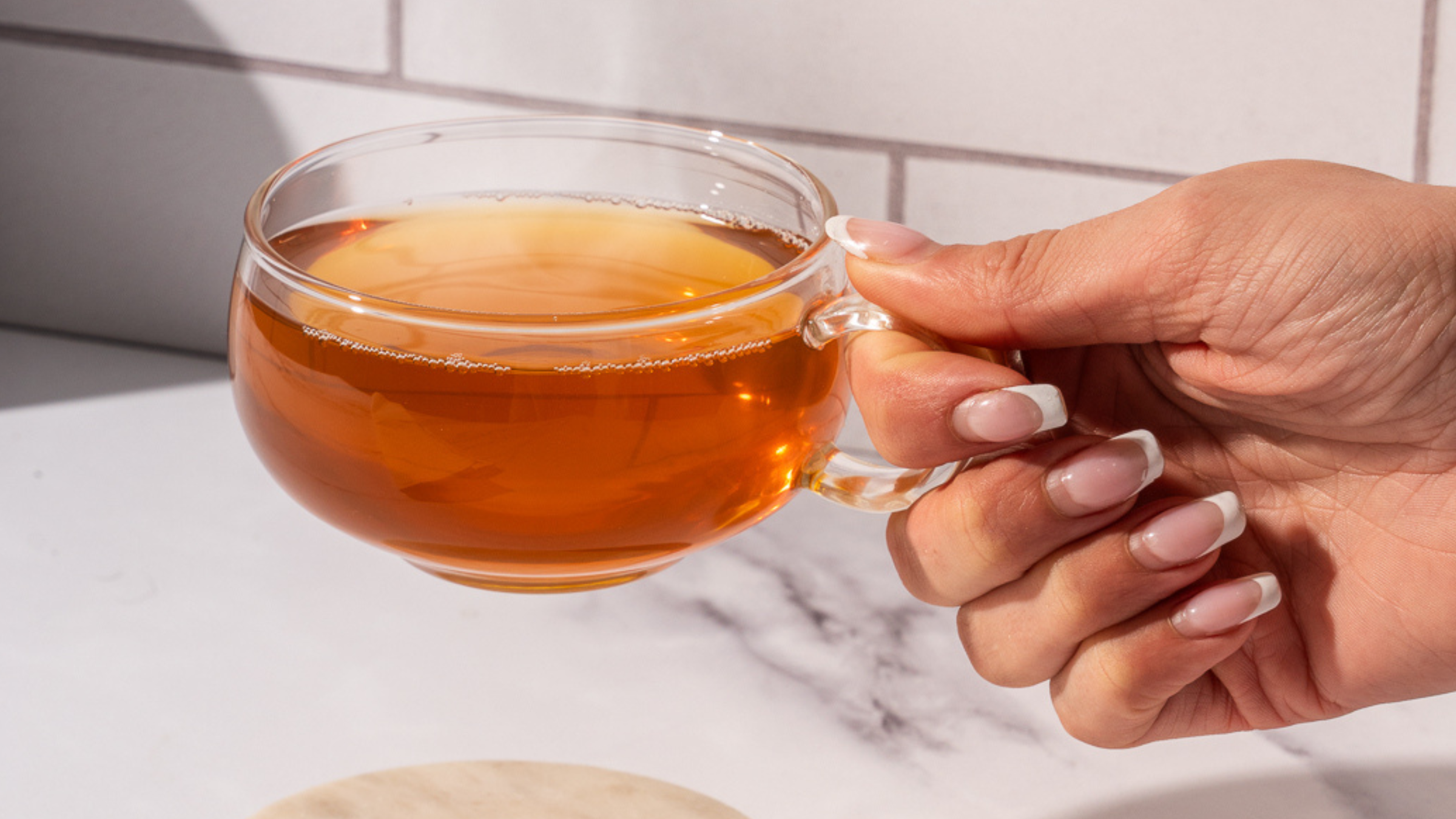
Know Your Tea: Black, White, Green & Beyond
Tea Types, Explained (Without the Snobbery)
When it comes to tea, the menu can feel overwhelming — black, green, white, herbal, fruit… aren’t they all different plants?
Actually, no.
Here’s the first myth-buster:
🌱 There’s just one tea plant: Camellia sinensis.
Whether you’re sipping a brisk black or a delicate white, it all comes from the same leaves. The difference lies in how those leaves are picked and processed.
Let’s break it down.
Black Tea: Bold & Brilliant
What it is:
Fully oxidised leaves. This is what gives black tea its deep colour and robust flavour.
Famous faces:
English Breakfast, Earl Grey, Assam, Darjeeling.
Flavour notes:
Malty, brisk, sometimes floral or fruity — depending on where it’s grown.
Fun fact:
Black tea is the most widely drunk tea in the world, making up around 75% of global tea consumption.
Green Tea: Fresh & Vibrant
What it is:
The leaves are heated shortly after picking to stop oxidation — that’s why they stay green.
Famous faces:
Sencha (Japan), Dragon Well (China), Matcha (the finely ground, whisked variety).
Flavour notes:
Grassy, nutty, vegetal — sometimes even a little seaweedy (in a good way).
Fun fact:
Green tea has roughly half the caffeine of black tea, making it a gentler pick-me-up.
White Tea: Subtle & Delicate
What it is:
The least processed of all. Young leaves and buds are simply picked and sun-dried.
Famous faces:
Silver Needle, White Peony.
Flavour notes:
Soft, sweet, lightly floral.
Fun fact:
Because it’s so lightly handled, white tea often contains higher antioxidant levels than black or green.
Herbal “Tea”: Technically, Not Tea at All
What it is:
Anything brewed from plants that aren’t Camellia sinensis. Think peppermint, chamomile, rooibos.
Flavour notes:
Endless — soothing, floral, spicy, or zingy.
Fun fact:
Naturally caffeine-free, herbal infusions are perfect for evening sipping.
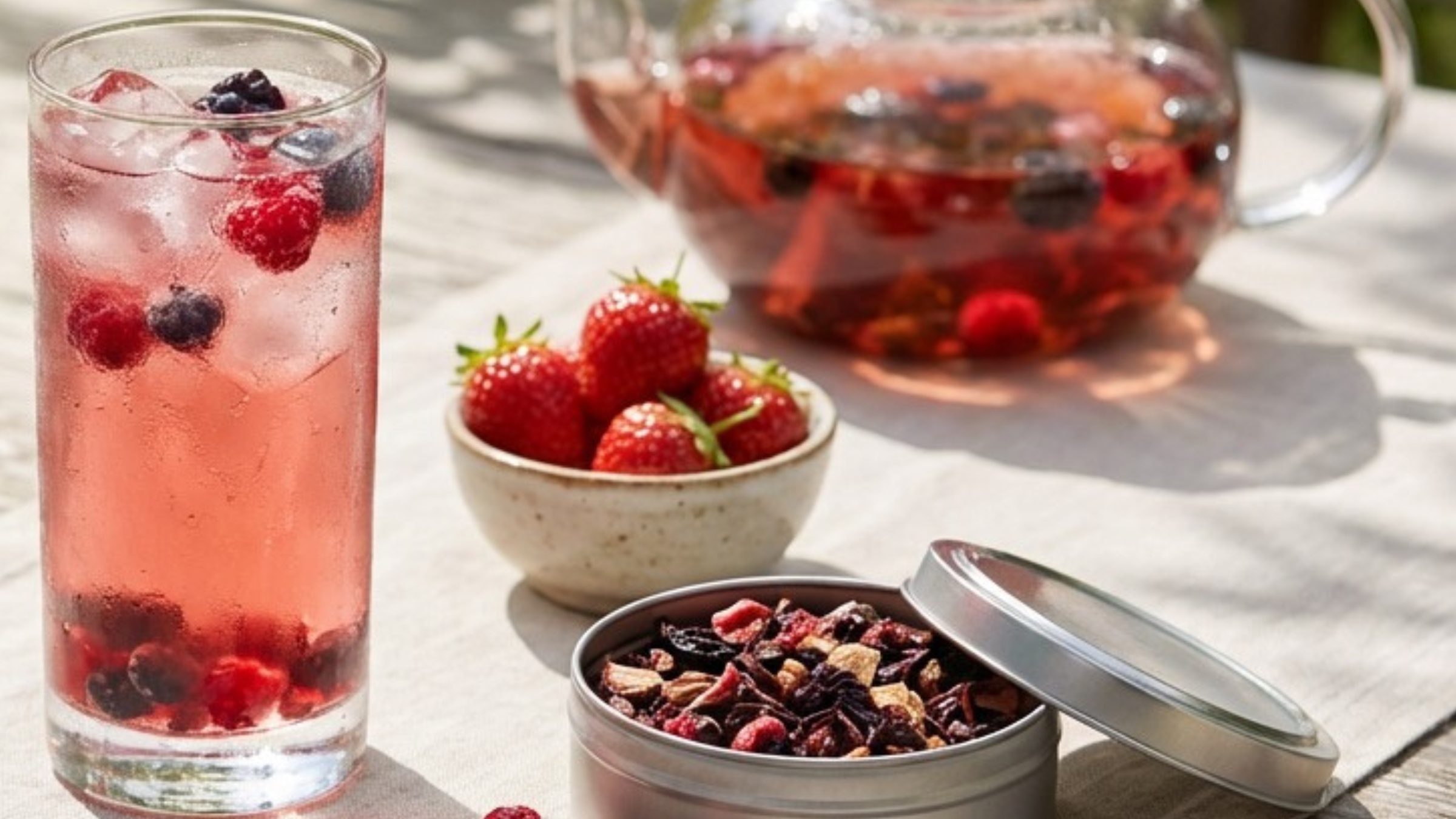
Fruit Infusions: Tea’s Juicy Cousins
What it is:
Dried fruits, peels, and petals blended together. No actual tea leaves required.
Flavour notes:
Sweet, tart, refreshing — often with hibiscus for that deep ruby colour.
Fun fact:
They’re brilliant iced. Brew strong, chill, add ice — instant summer cooler.
Tea Nerd Corner: Oxidation 101
Think of oxidation as the tea world’s version of a browning apple.
Cut an apple and it darkens. Let tea leaves sit, and the same thing happens.
-
White tea → barely oxidised
-
Green tea → oxidation stopped early
-
Black tea → fully oxidised
One plant. One process. Endless outcomes.
Brew & Bloom’s Takeaway
-
All real tea comes from one plant
-
Black, green, and white teas differ by oxidation, not origin
-
Herbal and fruit blends aren’t technically tea — but they’re still worth your mug
The joy is in experimenting. Don’t marry one type. Date the whole tea spectrum.
%0AWhen%20it%20comes%20to%20tea,%20the%20menu%20can%20feel%20overwhelming%20%E2%80%94%20black,%20green,%20white,%20herbal,%20fruit%E2%80%A6%20aren%E2%80%99t%20they%20all%20different%20plants?%0AActually,%20no.%0AHere%E2%80%99s%20the%20fir...)